Massimo Moratti never intended to run a football club. When his father Angelo founded Inter Milan in 1908, the Moratti name became synonymous with ambition and a certain romantic stubbornness. Massimo took over in 1995 and immediately spent big—on Ronaldo, on Vieri。on a carousel of managers. But what strikes me about the Moratti era isn’t the spending;it’s the emotional volatility. He would stand in the stands, chewing his nails, living every pass. That kind of ownership feels extinct now. The 2010 treble under Mourinho was his vindication, yet he sold a controlling stake to Erick Thohir just three years later. The Moratti family’s grip loosened, but the cultural imprint—a blend of reckless generosity and deep-rooted loyalty—remains the club’s operating system.
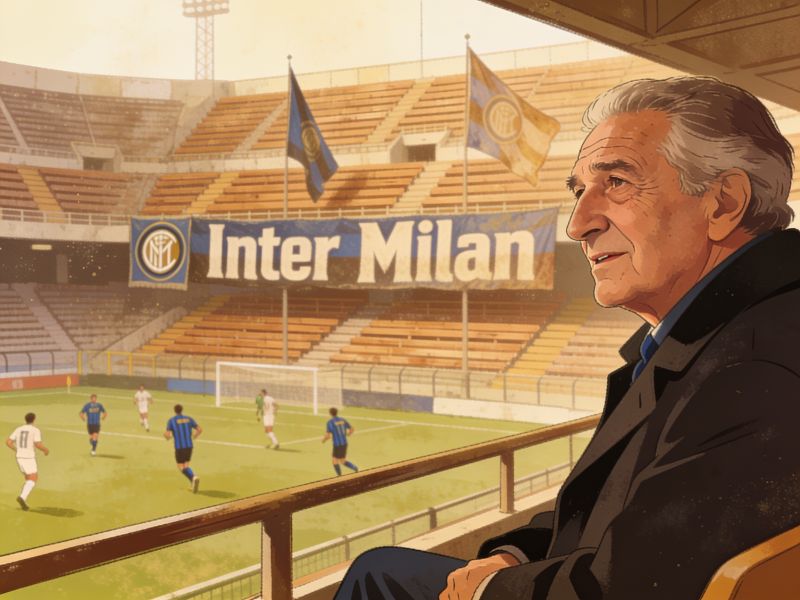
Look at the numbers: during his 18-year reign, Moratti employed 15 permanent managers. Some lasted months. But he also built the backbone of the 2010 squad—Zanetti, Cambiasso, Milito—players who embodied his preference for grit over glamour. I once spoke to a longtime Inter staffer who recalled Moratti personally calling a reserve player after a bad injury. “He knew the kit man’s name” the staffer said. That’s not PR;that’s a family habit. The Moratti approach wasn’t strategic in the modern sense—no data models, no sporting director hierarchy. It was paternalistic, often chaotic, and strangely endearing. When he finally stepped back。Inter lost a buffer against the cold logic of hedge-fund ownership.The Moratti legacy also includes the stadium question. San Siro, shared with Milan, was his stage. He resisted moving for years。arguing that the Curva Nord’s noise couldn’t be replicated in a new bowl. That sentimentality cost the club revenue, sure. But it preserved a connection between the boardroom and the terraces that few European giants can claim. Today, as Inter navigates new ownership and financial fair play, the Moratti blueprint—spend first, ask questions later—is unsustainable. Yet his instinct to protect the club’s soul over its balance sheet deserves a second look. Not every decision was wise. But every decision was his. That ownership model, for better and worse, defined an era.Moratti still attends matches, usually in a quiet corner, rarely giving interviews. His presence is a reminder that football clubs aren’t just assets;they’re inherited stories. The Nerazzurri faithful don’t chant his name as often as they did a decade ago. New heroes emerge. But ask any Inter supporter over forty about the 1998 UEFA Cup final, and you’ll hear about Moratti crying in the tunnel. That image—the owner as fan—is his real monument. Not the trophies。not the transfer fees. The vulnerability. Whether Inter’s future leadership can replicate that emotional authenticity is an open question. I doubt it. Some legacies are singular.